Need a reliable Ventura roofing expert? Select a fully licensed and insured contractor who recognizes coastal challenges like salt air and wind, uses high-quality fasteners, SBS shingles, and weather-resistant flashings, and checks adequate attic ventilation. Expect a thorough photographic inspection, detailed moisture assessment for each slope, and transparent recommendations: fix versus partial replacement. Demand Title 24/code compliance, HOA approvals, itemized estimates, and written warranties for materials and workmanship. Steer clear of pressure sales and vague quotes. You'll discover how effective timelines, clear communication, and routine maintenance maintain your roof working optimally.
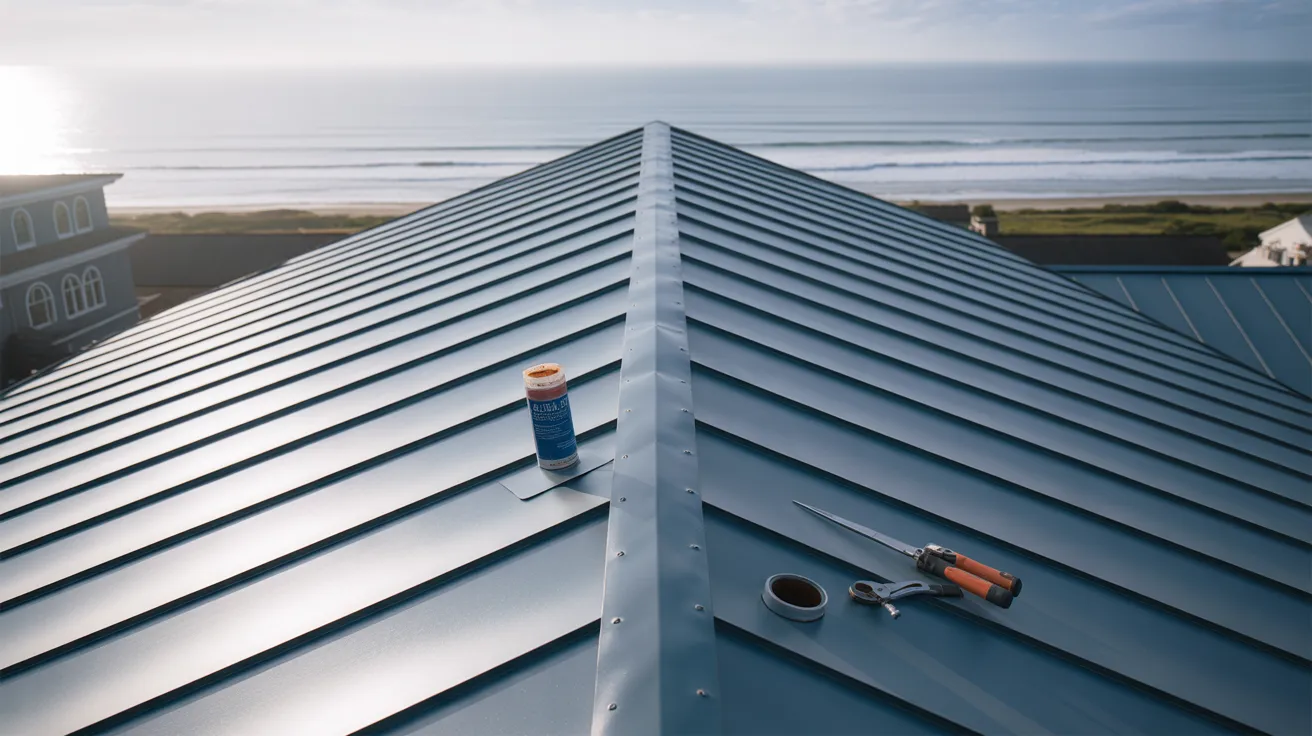
Critical Insights
- Local roofing professionals in Ventura using maritime-quality fasteners, corrosion-resistant flashings, and SBS shingles specifically designed for marine climates including wind, salt air, and storms.
- Complete inspections of roof, flashing, attic ventilation, and gutters, accompanied by moisture mapping, photos, and clear repair urgency.
- Our repair services range from precise patches to partial replacements, determined through detailed assessments utilizing adhesion tests, moisture probes, and slope-by-slope assessments.
- We maintain full transparency with comprehensive estimates, timeline milestones, regular photography documentation, warranties, and professional site completion.
- Full adherence with Ventura regulations, California Code, Title 24, WUI standards, and HOA authorizations to safeguard warranty coverage and future sales.
Understanding Ventura's Coastal Climate: Why Local Experience Counts
While any roofer can install shingles, a local Ventura expert recognizes how ocean air, sea breezes, marine moisture, and winter storms punish roofing systems here. You must have specifications adapted for coastal salt damage and ongoing corrosion. A seasoned contractor chooses corrosion-resistant hardware, modified shingles, and marine-grade flashings, then configures underlayments to resist wind uplift and moisture intrusion. They detail ridge, valley, and parapet changes to stop capillary action, and they create airflow to control humidity from marine layers without compromising thermal performance.
We provide maintenance solutions that eliminate salt films, coordinate rinses when winds subside, and check sealants that break down more quickly near the coast. When maintenance is required, they schedule work around tides, morning fog, and onshore winds to guarantee materials set and adhere properly.
Tell-Tale Signs Your Roof Needs Professional Care Now
It's crucial to handle ongoing roof leaks, visible depressions, and widespread shingle issues as urgent red flags. Monitor for moisture marks following rainfall, irregular rooflines, springy decking, and damaged or absent shingles, with granule buildup in gutters. When you notice these signs, schedule a professional inspection now to identify the root cause, avoid structural issues, and plan specific repairs.
Persistent Roof Leaks
A roof leak can manifest as more than just a simple drip-it often creates a distinct pattern. Spreading stains, bubbling paint, and recurring ceiling discoloration after rainfall indicate chronic leaks rather than occasional seepage. Inspect the attic for moisture, musty smells, and wet insulation-these signs indicate water moving along roof supports. From the outside, check flashing integrity near chimneys, skylights, and wall connections; compromised metal sections enable water to penetrate past shingle protection.
Act quickly. Record where leaks are occurring, then arrange a professional inspection featuring moisture mapping, precise hose testing, and an assessment of underlayment and penetrations. A certified Ventura roofing team will reseal or renew failing flashing, fix shingle fields, and tackle ventilation contributing to condensation. Prompt, targeted repairs avoid mold, damaged insulation, and mounting interior repairs.
Uneven Areas
When you notice a roofline that bows, dips between rafters, or shows a wavy ridge, it's a serious structural warning sign that requires immediate attention. You're likely witnessing structural deterioration resulting from compromised framing, inadequate rafters, spans that are too long, or water-damaged sheathing. Limited attic ventilation exacerbates the situation by trapping heat and moisture, which speeds up wood decay and corrodes fasteners.
Take immediate action. Book a thorough inspection to assess load paths, analyze deflection, and inspect sheathing, ridge, and truss connections. A skilled Ventura roofing team can stabilize framing, strengthen rafters, add purlins, or mount ridge beams where calculations specify. They'll replace compromised decking, correct ponding areas, and return to uniform plane. Finally, enhance attic ventilation with balanced intake and exhaust to regulate temperatures and reduce moisture. Timely repairs preserve your home, insurance standing, and resale value.
Understanding Shingle Damage Spread
Although isolated roof damage may appear insignificant, a pattern of widespread damage indicates growing threats demanding swift intervention. As deterioration expands, water penetration routes expand, susceptibility to wind damage rises, and the essential underlayment layer degrades.
Keep an eye out for visible signs of wear: deteriorating granules causing naked sections, perimeter curling at eaves click here and rakes, fractures extending from fasteners, and uplifted rows from sealant failure. Stain lines may reveal water infiltration, while weak spots signal waterlogged decking. If you find shingles misaligned after strong winds, the adhesive strip has typically weakened, making the roof vulnerable to blow-offs.
Take action now. Survey and record compromised areas on slopes, valleys, and roof penetrations. Our team will complete a thorough slope-by-slope evaluation, test adhesion, examine flashing, and identify moisture intrusion. Then we'll stop active leaks, swap out damaged shingles, restore proper sealing, and suggest specific areas for replacement before structural repairs become necessary.
What to Expect During a Thorough Roof Inspection
Commence with a structured approach: a thorough roof inspection begins with a top-to-bottom assessment of structural integrity, safety protocols, and environmental impact. We'll secure ladders, verify anchorage points, and document conditions before climbing onto the roof. We perform a methodical walk-through: we evaluate shingles, flashing, penetrations, and ridge caps, noting storm damage, UV deterioration, and fastener issues.
We begin by examining attic ventilation to verify proper air movement, preventing excess warmth and water accumulation. We employ moisture mapping to trace leaks, thoroughly examining structural components and materials for hidden damage. Drainage systems are tested for correct alignment and debris. We document all findings with photos and highlight immediate needs. We finish by reviewing necessary steps and urgent concerns to ensure clear next steps.
Evaluating Repair Solutions and Material Options
You'll analyze the choice between a partial replacement by comparing leak location, deck condition, and remaining roof life. Next, you'll choose building materials - metal, shingles, or tile - based on coastal durability, wind rating, weight load, and lifecycle cost. I'll explain the best scenarios for each choice so you protect structure, control costs, and extend service life.
Patching vs. Partial Replacement
As roof issues arise, assess promptly whether a specific patch will suffice or if replacing a portion provides more benefits and longevity. You should examine where the leak occurs, moisture assessment, roofing deck status, and age of nearby components. Temporary repairs can quickly control current leakage, safeguard interiors, and provide time for detailed inspection and insurance discussions. Select a patch when problems are isolated, the roofing material is young, and supporting components remain solid.
Choose targeted replacement when inspections show moisture-compromised materials, degraded materials, or repeated failures along a plane. Installing an full surface area restores uniform protection, warranty eligibility, and durable waterproofing. Check air flow and material transitions during the installation. Document visual records, core samples, and service documentation to substantiate requests and secure fair coverage.
Choosing Between Shingles, Tile, and Metal
Once determining if a repair patch or section replacement makes sense, the key decision involves material selection: shingles, tile, or metal—each featuring unique repair techniques, expenses, and performance features. Choose asphalt shingles if you want fast, budget-friendly solutions; we replace lifted tabs, seal penetrations, and match granule color for invisible fixes. Tile works best with Mediterranean homes; we replace damaged sections, renew underlayment, and verify battens to handle wind uplift. Metal delivers outstanding resilience and energy savings; we replace damaged panels, strengthen seams, and apply appropriate coatings to resist maritime weathering.
In Ventura's coastal environment, it's essential to select rust-proof hardware and flashing materials. Make sure to evaluate weight requirements, flame resistance ratings, and proper attic ventilation. Evaluate complete lifetime costs, beyond the initial investment. Our team will detail your choices, project maintenance needs, and coordinate repairs with your schedule and favorable weather periods.
Getting to Know Construction Permits, Building Codes, and HOA Regulations
Before selecting shingles, take into account Ventura's building permit procedures, California Building Code (CBC) requirements, Title 24 energy guidelines, and any homeowners association (HOA) covenants that govern roof products, colors, underlayments, and profiles. You'll avoid delays by confirming permit timelines with the city and determining whether your project requires structural, sheathing, or electrical reviews. Examine recent code changes affecting cool-roof ratings, attic ventilation, and wildfire-resistant assemblies (WUI). Title 24 may necessitate reflective roofing, particular insulation values, and proper compliance forms.
Contact your HOA as soon as possible for documented permission. Send in technical documentation, color samples, and roofing specifications to match community guidelines. Have ready manufacturer listings, Class A fire ratings, and underlayment specs on hand. Schedule required inspections, ensure site access, and keep final approvals to secure warranties and resale value.
Understanding How Trusted Roofers Price Repairs and Deliver Estimates
Because pricing should be transparent, reliable Ventura roofers build repair estimates from a clear scope: they inspect the roof through physical inspection, record defects with photos, and quantify labor, materials, disposal, access, and permits line by line. You'll get itemized material costs for flashing, shingles, sealants, underlayment, and fasteners matched to manufacturer specs. Labor rates reflect crew size, complexity, safety setup, and expected hours, not vague ranges. Professionals specify visit fees for diagnostics, then apply them if you proceed. They explain markup policies that cover procurement, scheduling, insurance, and overhead, keeping percentages consistent across line items. Access challenges-steep slopes, multi-story lifts, or limited staging-are clearly priced. You'll also get contingencies for deck damage discoveries, modification procedures, and scheduled start date.
Warranties, Guarantees, and What They Really Cover
Although a new roof should deliver decades of service, the security you really get depends on the specific terms of its warranties and guarantees. You generally receive two types: a manufacturer warranty and a contractor guarantee. The product warranty protects against defects in roofing materials and components-often on a prorated basis-assuming they were installed correctly and properly ventilated. It won't cover storm damage, foot traffic, or neglect.
Your workmanship warranty includes installation defects such as installation components, fastener placement, sealant application, and material connections. Be sure to check the coverage period, its transferability, and whether interior damage from leaks is covered. It's important to understand who handles service calls, typical response times, and claim submission procedures. Be clear about necessary upkeep requirements and records you must keep to maintain valid coverage. With detailed terms in writing, you'll have clarity on who handles repairs, when service occurs, and who covers the costs.
Warning Signs to Watch for When Evaluating Roofing Contractors
Prior to signing any agreement, be alert to concerning indicators of risk: inability to provide contractor credentials and coverage, unclear or simplified proposals without comprehensive details, aggressive marketing approaches like limited-time offers, and requests for large upfront payments. Be certain to validate the registration status via California's CSLB and require insurance certificates listing you as additionally insured. Stay away from hasty proposals that avoid thorough assessment or exclude critical components like tear-off, underlayment, flashing, and ventilation. Demand a thorough estimate that specifies quantities, materials, and labor costs to avoid unexpected costs. Stay alert to unfamiliar license plates, absence of nearby testimonials, or unwillingness to obtain permits. Ensure the inclusion of written change order processes, lien release documentation, and clear communication channels before approving any work.
Understanding Your Repair Timeline: A Step-by-Step Process
Initiate by synchronizing project parameters, timeline, and key players so all steps proceed as planned. Define the problem, validate supplies, and secure location entry. Establish project checkpoints: site review, cost confirmation, permits, supplies arrival, removal, surface preparation, system installation, completion review, and final inspection. Designate leaders for every phase so ownership is established.
Implement communication milestones. Initiate with a project initiation call to align on expectations, arrange a pre-construction meeting to review safety and logistics, and provide daily updates on weather, crew status, and progress photos. Log change orders immediately, documenting impacts on cost and time. Arrange trades and dumpsters to minimize bottlenecks. Factor weather contingencies into the project plan, and keep backup materials available.
End with a detailed project checklist, warranty paperwork, and a final confirmation of jobsite cleanup and payment processing.
Proven Maintenance Strategies to Extend Roof Life
Implement a scheduled inspection plan-biannually and after major storms-to spot damaged roofing, raised flashing, or weak areas before they worsen. Keep gutters and downspouts free of debris, and clean off roof debris to prevent standing water, fascia rot, and premature membrane wear. Record each assessment and clearing so you can organize repairs and allocate funds strategically.
Regular Inspections Schedule
Consistent roof inspections keep simple concerns from developing into costly fixes and prolong your roofing system's longevity. Establish a routine calendar for twice-yearly assessments-one in late spring and a follow-up in autumn's beginning-accounting for Ventura's ocean influence, solar impact, and Santa Ana winds. Throughout each inspection, examine shingle health, seal integrity, penetration points (vents, skylights), anchors, and air circulation. Check underlayment condition at edges and valleys, and look for sun-related deterioration, uplift damage, or compromised decking. Plan an quick focused assessment after extreme conditions or rooftop maintenance. Log details with photos, maintain repair records, and track material warranties for proper records. When you notice persistent problems, arrange a expert assessment to detect hidden moisture damage or building movement before they worsen.
Debris and Gutter Maintenance
Often overlooked, well-maintained gutters and debris-free roofs serve as a primary barrier from moisture problems, wood rot, and shortened shingle life in Ventura's coastal climate. Salt air and wind deposit debris throughout your roofing system, leading to water accumulation under roofing materials. You can avoid problems by clearing accumulated vegetation and debris seasonally and following major weather events.
Install leaf guards to reduce clogging while maintaining routine inspections. Check downspouts flow properly; attach downspout extensions to direct water 4-6 feet from the foundation. Secure loose hangers, re-pitch sagging runs for proper flow, and fix leaking seams. Cut back overhanging branches to limit debris and abrasion. Rinse gutters and downspouts with a hose to verify unobstructed flow. Document conditions, and book professional service for high or complex roofs.
Common Questions
Are Emergency Tarp-Over Services Available Following Storms or Leaks?
Yes, we deliver urgent protective covering services when storms or leaks occur. You can expect immediate attention, thorough inspection, and sturdy temporary protection to prevent active water intrusion. We secure emergency coverings around penetrations, valleys, and damaged shingles, then fasten edges to combat wind uplift. We document damage, photograph affected areas, and detail next steps for permanent repairs. We provide clear timelines, product choices, and price quotes, maintaining protection for your home until complete repairs can be completed.
Do You Handle Insurance Claim Documentation With Adjusters?
Of course - we coordinate directly with your insurance adjuster to optimize insurance coordination and claim documentation. We process everything at lightning speed. We'll get your approval, share your policy details, and we'll set up an onsite inspection with the adjuster. We furnish photo evidence, measurement reports, repair scopes, and detailed cost breakdowns aligned to copyright guidelines. We monitor authorizations, clarify codes, and maintain communication to ensure your claim is precise, on schedule, and properly documented.
How Can I Finance My Repair Project?
Take advantage of versatile financing options including affordable APR choices, flexible payment periods, and quick digital approval process. We also provide Deferred Payments, enabling you to begin your project immediately and settle the balance when done or during the promotional timeframe. You'll get upfront pricing, freedom to pay ahead, and multiple payment methods (credit, ACH, checks). We'll bundle upgrades, deductibles, and repairs into one convenient plan and align payment schedules with your insurance disbursements for seamless financial management.
How Can You Control Noise and Debris with Pets and Children in the Home?
Our team minimizes noise and debris by implementing organized zones and timing. For example, during a nursery re-roof, we ensure pets and children separated in a quiet room, use dust containment barriers at entries, and run negative-air scrubbers. We position materials separate from living areas, implement soft-drop protocols, and limit hammering to scheduled quiet periods. Our team shields vents, secure returns, and conduct magnetic cleaning at regular intervals. Our team delivers daily progress messages so families can adjust routines and maintain safety.
Do You Provide Drone and Infrared Scanning Services for Concealed Leaks?
Absolutely. You can request Drone inspections and Infrared scans to pinpoint challenging leaks efficiently and securely. Drones provide high-resolution imagery over roof structures and challenging areas without causing surface wear. Infrared imaging reveal hidden moisture by reading temperature differentials beneath shingles, membranes, or insulation. We'll deliver a mapped report, annotated photos, and repair priorities, then validate fixes with a verification scan, minimizing complications and downtime while ensuring durable, up-to-code solutions.
Final Thoughts
It's clear how local expertise, thorough inspections, strategic material selections, and airtight permits ensure Ventura roofs fortified against coastal wear. Take action before problems worsen; address concerns proactively. Evaluate contractors, demand written warranties, and create a realistic timeline to eliminate surprises. With consistent maintenance, your roof won't be a money pit-it'll be a fortress. Reach out to a trusted Ventura roofer today, secure a detailed plan, and guarantee durable, code-compliant repairs that secure your home for years.